


These are some of the books I most often recommend to clients navigating anxiety, intrusive thoughts, OCD, and overthinking. While reading is not a replacement for therapy, the right resources can offer education, validation, and support in between sessions. I will periodically update this list, so feel free to check back for additional recommendations.
1. Freedom from Obsessive Compulsive Disorder: A Personalized Recovery Program for Living with Uncertainty — Jonathan Grayson, PhD
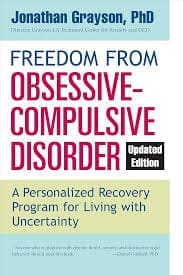
Jonathan Grayson is a nationally recognized psychologist and expert in the treatment of OCD. This book offers both education and practical exercises to help individuals break out of the OCD cycle. A particular strength of this book is its focus on mental compulsions, such as checking and reviewing, which often occur entirely in the mind and can be harder to recognize.
2. Relationship OCD: A CBT-Based Guide to Move Beyond Obsessive Doubt, Anxiety, and Fear of Commitment in Romantic Relationships — Sheva Rajaee, MFT
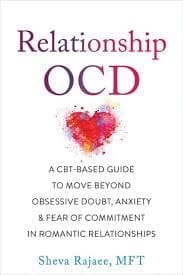
Relationship OCD involves intrusive doubts about one’s partner or relationship, along with compulsive attempts to manage the anxiety, fear, or uncertainty that follows. Sheva Rajaee does an excellent job challenging the belief that there is one “perfect” person we are meant to be with, and instead encourages readers to tolerate uncertainty and ambiguity rather than needing to know “for sure.”
3. High-Functioning Anxiety: A Five-Step Guide to Calming the Inner Panic and Thriving — Lalitaa Suglani, PhD
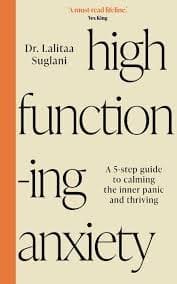
This book is especially helpful for individuals who have long viewed their anxiety as an asset — the overproductive employee who never says no, the “pleasure to have in class” student, or the person who is constantly self-critical. High-functioning anxiety often looks polished on the outside while masking impostor syndrome, self-doubt, and low self-esteem underneath. Dr. Suglani focuses on addressing these underlying patterns rather than just managing surface-level anxiety.
4. OCD Exposed: 10 Myths and Misconceptions About Obsessive Compulsive Disorder — Elysse Lescarbeau, LCSW
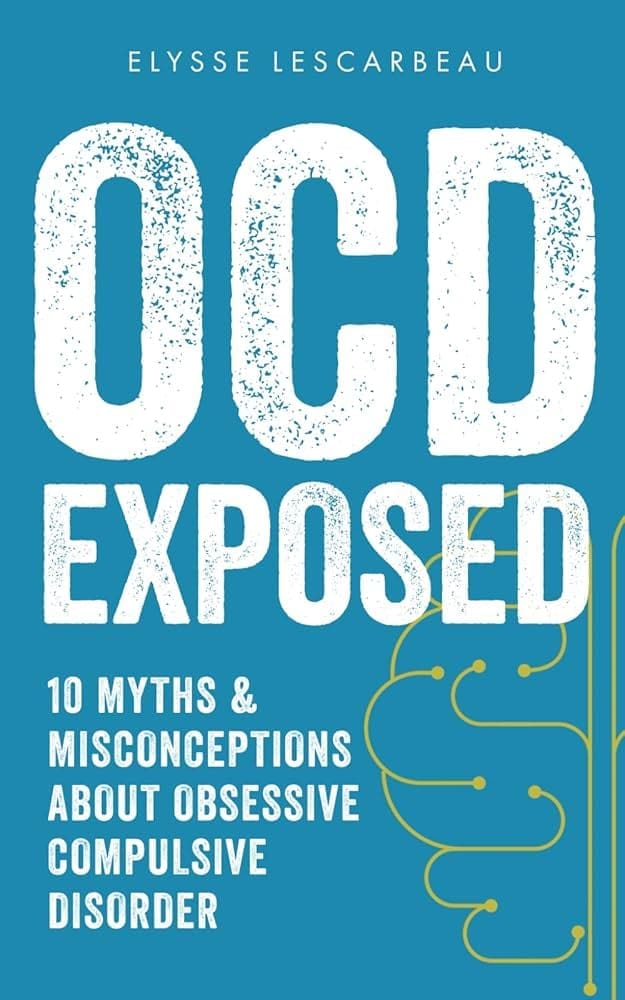
Elysse Lescarbeau combines personal and professional experience to challenge the way OCD is often misunderstood and misrepresented in the media. The book highlights common distortions, including the tendency for individuals with OCD to overestimate threat and danger while underestimating their ability to cope. I was fortunate to contribute to this book and discuss these themes, which can be incredibly validating for readers who feel isolated or misunderstood in their diagnosis.
5. The Self-Compassion Workbook for OCD — Kimberley Quinlan, LMFT
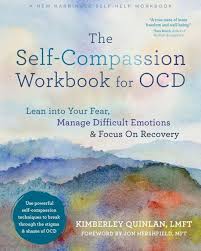
Kimberley Quinlan is an internationally recognized expert in anxiety and OCD and the creator of the podcast Your Anxiety Toolkit. This workbook offers a compassionate framework for approaching OCD, with an emphasis on embracing fear, reducing shame, and shifting from self-judgment to self-kindness while doing difficult therapeutic work.
6. Needing to Know for Sure: A CBT-Based Guide to Overcoming Compulsive Checking and Reassurance Seeking — Martin N. Seif, PhD & Sally M. Winston, PsyD
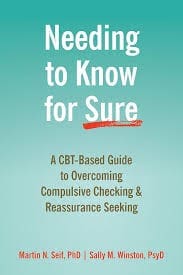
This book is particularly helpful for individuals who struggle with “analysis paralysis,” including compulsive researching, checking, and seeking reassurance from others. The authors clearly explain how these behaviors become self-reinforcing over time — the more we engage in them, the stronger the urge becomes — and offer guidance on responding differently to uncertainty.
7. Freedom from Health Anxiety: Understand and Overcome Obsessive Worry About Your Health or Someone Else’s and Find Peace of Mind — Karen Lynn Cassiday, PhD
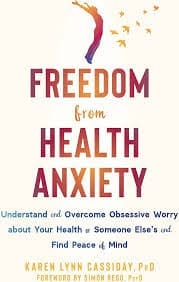
The COVID-19 pandemic, increased access to wearable health technology, and constant exposure to alarming health headlines have all contributed to heightened health anxiety. This book focuses on shifting attention away from compulsive monitoring and toward a more present, flexible relationship with health-related thoughts and sensations.
8. “Pure O” OCD: Letting Go of Obsessive Thoughts with Acceptance and Commitment Therapy — Chad LeJeune, PhD
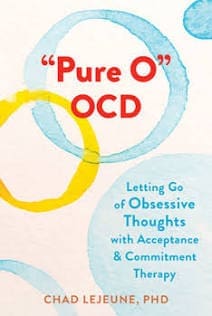
“Pure O” OCD is characterized by intrusive thoughts and obsessions accompanied by less visible, internal compulsions such as rumination, mental checking, and avoidance. This book draws on Acceptance and Commitment Therapy (ACT) principles to help readers reduce struggle with intrusive thoughts and move toward making values-based decisions rather than fear-based ones.
9. Breaking the Rules of OCD: Find Lasting Freedom from the Unwanted Thoughts, Rituals, and Compulsions — Kim Rockwell-Evans, PhD
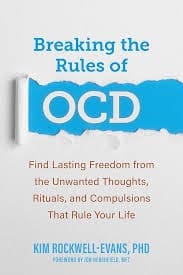
This book offers a clear, practical introduction to Exposure and Response Prevention (ERP) for OCD. Rather than encouraging reassurance or attempts to eliminate intrusive thoughts, Breaking the Rules of OCD focuses on learning how to respond differently to anxiety by resisting compulsive behaviors and tolerating uncertainty. It’s especially helpful for readers who understand their OCD intellectually but struggle to stop engaging in rituals, checking, or mental compulsions in day-to-day life.
10. The Happiness Trap: How to Stop Struggling and Start Living — Russ Harris, MD
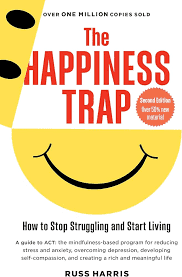
This book provides a clear and accessible introduction to Acceptance and Commitment Therapy (ACT), which focuses on changing one’s relationship with thoughts and feelings rather than trying to eliminate them. The Happiness Trap challenges the idea that we need to feel calm, certain, or happy in order to live well, and instead emphasizes making room for discomfort while taking meaningful action. This approach can be especially helpful for individuals with anxiety or OCD who feel stuck trying to think their way out of distress or waiting to feel “better” before making decisions.
If you’re unsure which resources might be most helpful for you, working with a therapist trained in evidence-based treatment for anxiety and OCD can help you determine the next best step.

Emily Austin, LCSW, is the founder of Emily Austin Therapy, a virtual private practice specializing in evidence-based treatment for anxiety and Obsessive Compulsive Disorder (OCD). She works primarily with high-functioning Millennial and Gen Z women who struggle with overthinking, intrusive thoughts, perfectionism, and people-pleasing. Emily provides virtual therapy to clients in New Jersey, New York, and Florida.


