


Why I Needed This
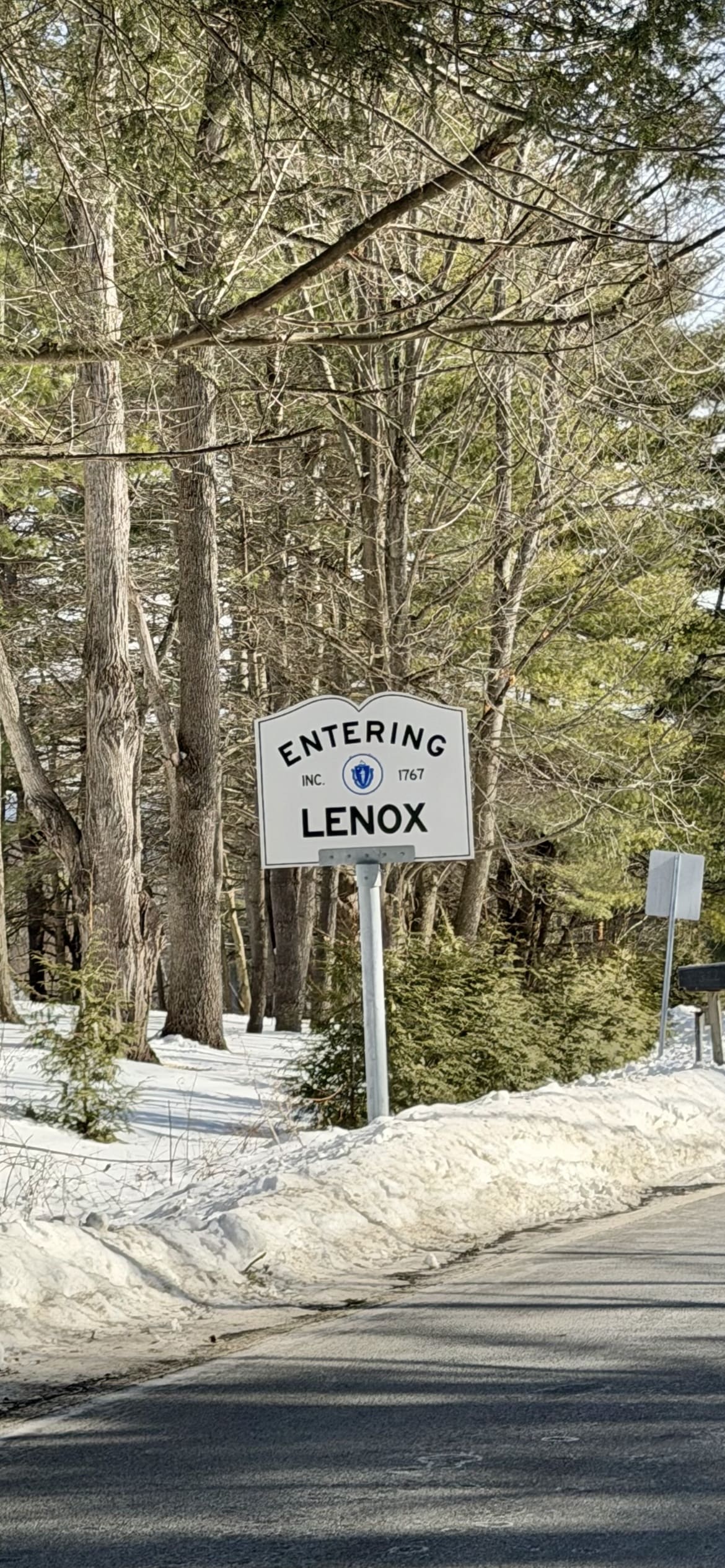
Last weekend, I had the opportunity to spend one night at Miraval in the Berkshires, a gift from my sister. The past several months have been full: navigating some personal stress, getting sick more than usual this fall and winter, work picking up, and just the responsibilities of everyday life.
The trip came at the perfect time. I had just recovered from a nasty cold and was craving quiet, calm, movement, nature, and connection.
So many of us high-functioning women don’t realize how much we need rest until we are absolutely exhausted. I didn’t fully realize how much I needed to slow down until I was somewhere that made slowing down unavoidable.
The setting itself felt like part of the therapy. A spa and wellness center tucked into the mountains of the Berkshires, designed with intention down to every last detail. Cozy robes and slippers. Eucalyptus and lavender in the air. Soft lighting. A literal “phone bed” placed in each room to encourage limiting screen time.
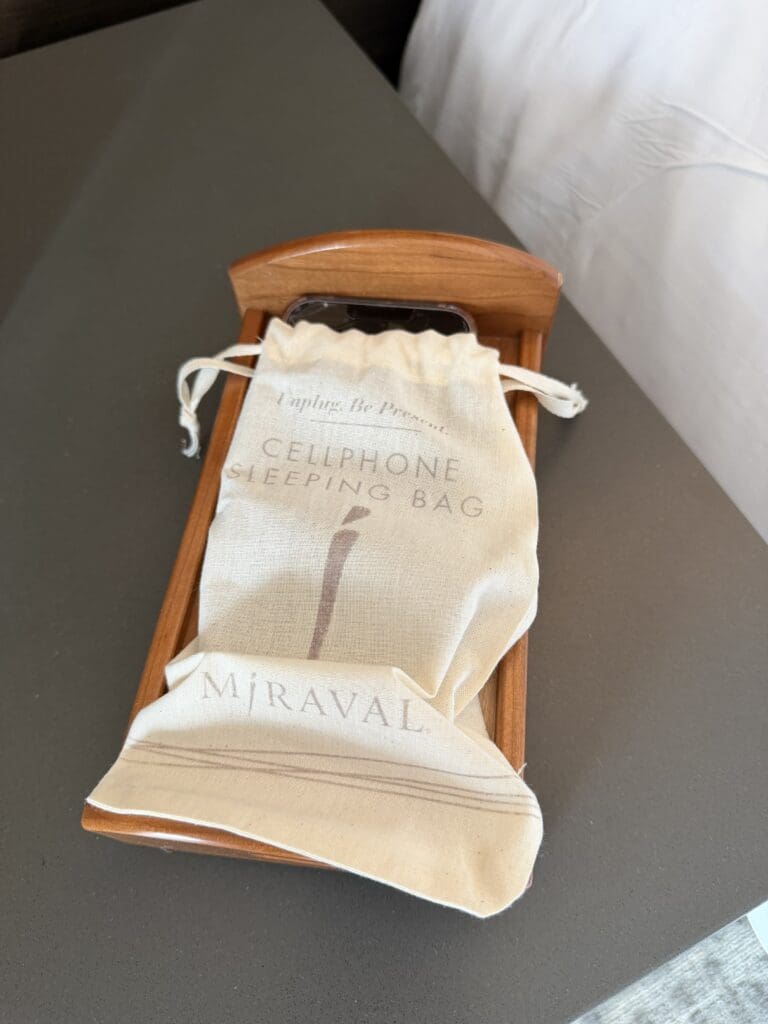
All of the buildings were connected, which was ideal considering it was the coldest weekend in decades (Sunday hit -20°). We barely had to step outside.
We stayed in comfortable clothes. Gave our skin a break from makeup. Didn’t drink alcohol. Kept the TV off. The environment gently removed stimulation – and that alone began to shift something in my nervous system.
When stimulation decreases, your body gets a chance to exhale.
Moving My Body Without Pressure
The exercise classes we took felt refreshingly different from typical workouts. There was no competitiveness, no pressure to push, no intensity for intensity’s sake. My body has felt a little out of shape lately, so this felt like the perfect re-entry into prioritizing movement.
Morning Stretch Class
The morning stretch class was slow but active, focusing on the full body. I noticed how much tension I carry, especially in my jaw, shoulders, and hips. So much of that tension becomes background noise in daily life. You don’t even realize it’s there until you pause long enough to feel it.
I left feeling looser, lighter, and more present.
Fit Feet Class
The “Fit Feet” class focused entirely on strengthening and mobilizing the feet – muscles we almost never think about, despite the fact that they absorb the weight of all of our movement.
Slowing down enough to isolate such small muscles felt unexpectedly grounding. It reminded me how powerful awareness can be. Movement doesn’t have to be intense to be regulating. Sometimes subtle is more powerful.
These classes reminded me that movement supports both physical and emotional regulation – and it doesn’t have to be punishing to count.
Gratitude & The Nervous System
This activity was a gratitude mindfulness class. We learned about how gratitude practices can strengthen neural pathways over time – how neuroplasticity allows our brains to shift what they focus on.
We listened to music and reflected intentionally on gratitude.
Gratitude shifts attention from threat to safety. When your brain is focused on what feels steady, warm, or meaningful, your body responds. Your breath slows. Your shoulders soften. Your nervous system shifts out of constant alert mode.
Gratitude doesn’t erase stress. But it helps your body remember that not everything is dangerous.
For someone with a baseline of anxiety, that shift matters.
Nature & Animals (Even at -20°)
If you know me, you know I am an animal person. Cats, dogs, goats, donkeys, alpacas; I love them all (except reptiles).
The barn tour was non-negotiable for me.
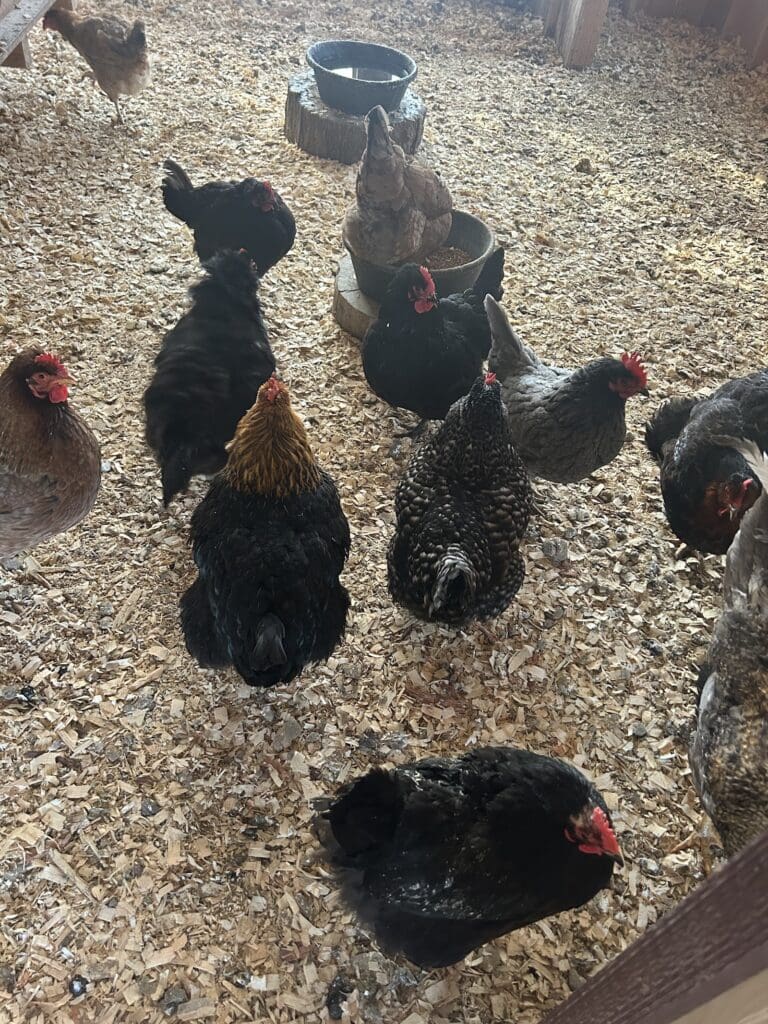
Despite the -20° air, it was worth it. I met horses Lucy (a known flirt) and Toby (described as “part puppy” because he’d cuddle on a couch if given the chance). I met two donkeys, Mabel and Macie, and learned how much patience and trust they require. I also met 57 chickens and learned about their contribution to Miraval’s kitchen.
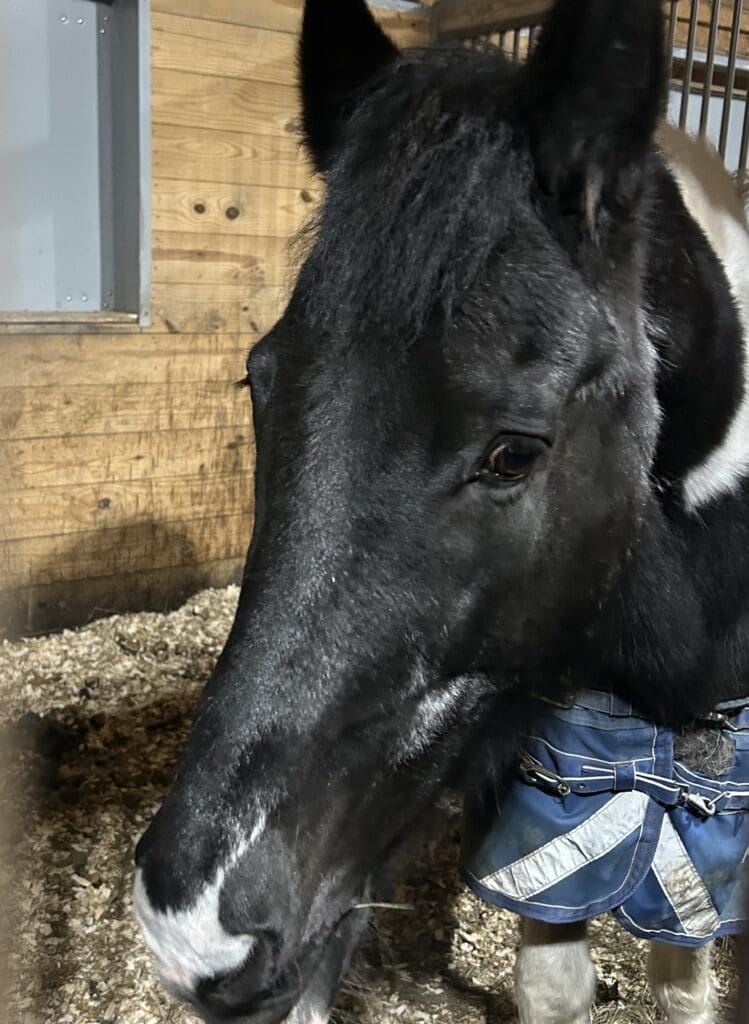
Being around animals regulates me almost instantly. There is something grounding about their presence. They aren’t rushing. They aren’t multitasking. They aren’t optimizing their lives.
Research shows that being around animals can lower cortisol levels, but even without the science, I could feel it. Animals remind us of unconditional presence – and that steadiness is regulating.
Rest Without Earning It
The rest we prioritized was one of the most important parts of the trip.
Face masks. Foot masks. Hair masks. Swimming. Sitting in the hot tub. A deep tissue massage that nearly melted me into the table – impressive considering how much tension I tend to carry.
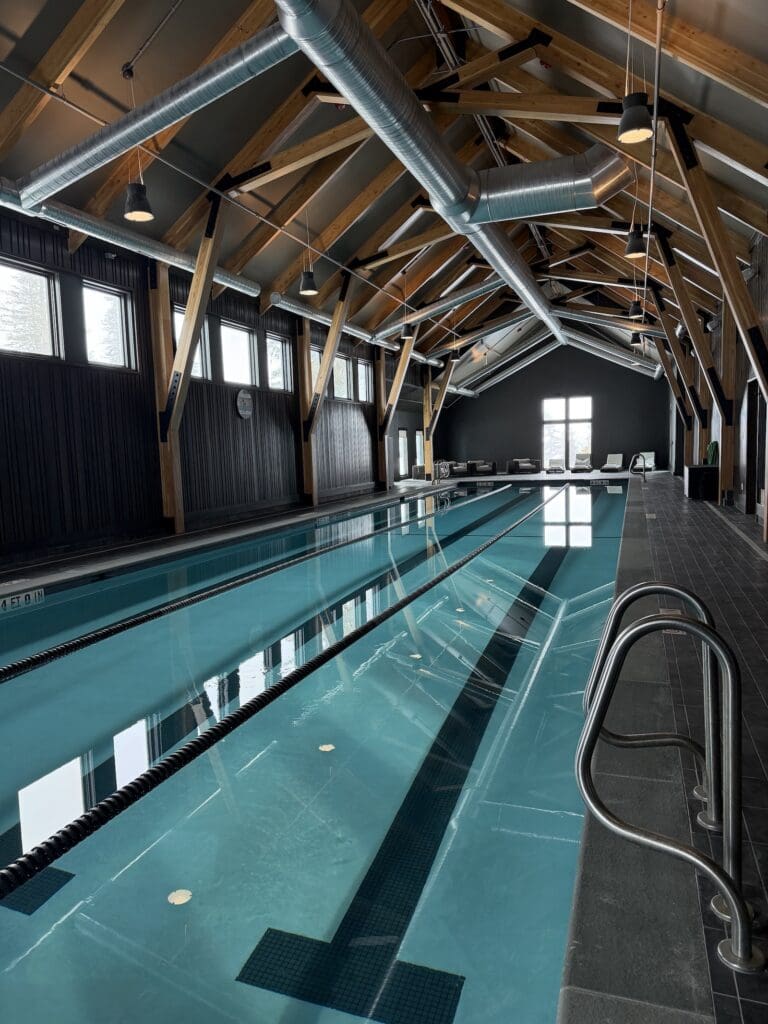
We drank smoothies and juices, cozy hot chocolate, and I developed an immediate obsession with their golden milk (I will absolutely be recreating it at home).
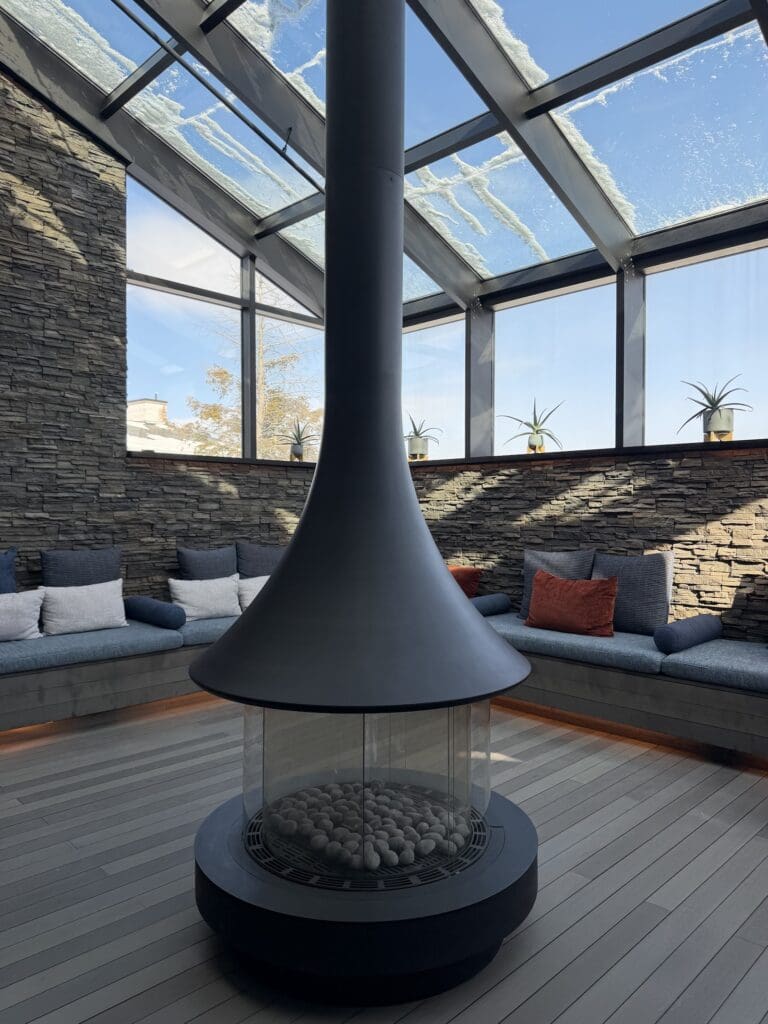
We spent time in the spa relaxation room where I read and promptly fell asleep. My sister had to repeatedly wake me up because I was snoring (video evidence exists).
What struck me most was this: I didn’t have to earn the rest.
So often, rest is tied to productivity. We rest once we’ve finished everything. We relax when the to-do list is complete. But the to-do list is never complete.
Slowing down can feel uncomfortable at first, especially when your nervous system is used to constant input and stimulation. But discomfort doesn’t mean it’s wrong. Sometimes it just means your body is adjusting.
What I Noticed
As someone who struggles with anxiety, my baseline mood carries a subtle level of tension. It took years in therapy to even notice that tension, and more years to practice not trying to push it away.
During this weekend, I still had moments of anxiety. Slowing down didn’t mean the absence of uncomfortable emotions. And that’s important.
Progress isn’t about eliminating anxiety. It’s about changing your relationship to it.
What this weekend reminded me of is how often we cope by drowning ourselves in stimulation – our phones, work, noise, productivity, distraction. Those strategies might numb discomfort temporarily, but they don’t regulate it.
Connection regulates. Presence regulates. Movement regulates. Nature regulates.
And allowing emotion to exist, instead of fighting it, regulates.
The Takeaway
So many high-functioning women with anxiety (myself included) normalize tension as “just being an adult.” We struggle to unplug. We feel guilty resting. We push through.
This weekend reminded me:
Rest isn’t indulgent.
Slowing down isn’t lazy.
And you don’t need a luxury resort to reset.
But you do need intentional pauses.
Here are a few small ways to create one:
• One hour without your phone
• A morning stretch before checking email
• Going outside without AirPods
• Limiting alcohol for a weekend
• Eating one meal without multitasking
• Reading while doing a face mask
Small shifts can have a big impact on your nervous system.
Closing
I am deeply grateful to my sister for gifting me this weekend. It was more than a trip – it was a reminder.
Rest and slowing down aren’t things we earn.
They’re things we need.
As a therapist, I talk often about nervous system regulation — but this weekend reminded me that I have to practice it too.
If you’re someone who struggles to slow down, normalize tension, or feels guilty resting, you’re not alone. This is something I work on often with the high-functioning women I see in therapy.
If you’re curious about working together, you can learn more or schedule a complimentary consultation through the link here.

Emily Austin, LCSW, is the founder of Emily Austin Therapy, a virtual private practice specializing in evidence-based treatment for anxiety and Obsessive Compulsive Disorder (OCD). She works primarily with high-functioning Millennial and Gen Z women who struggle with overthinking, intrusive thoughts, perfectionism, and people-pleasing. Emily provides virtual therapy to clients in New Jersey, New York, and Florida.


